

The stoat ermine is one of nature’s most effective small predators, weighing between 100 and 400 grams depending on sex and season. It regularly kills European rabbits that weigh up to 2 kilograms, and it has been documented killing mountain hares weighing over 3 kilograms. The prey is often ten times the predator’s body weight, and the stoat kills it with a single precise bite to the base of the skull.
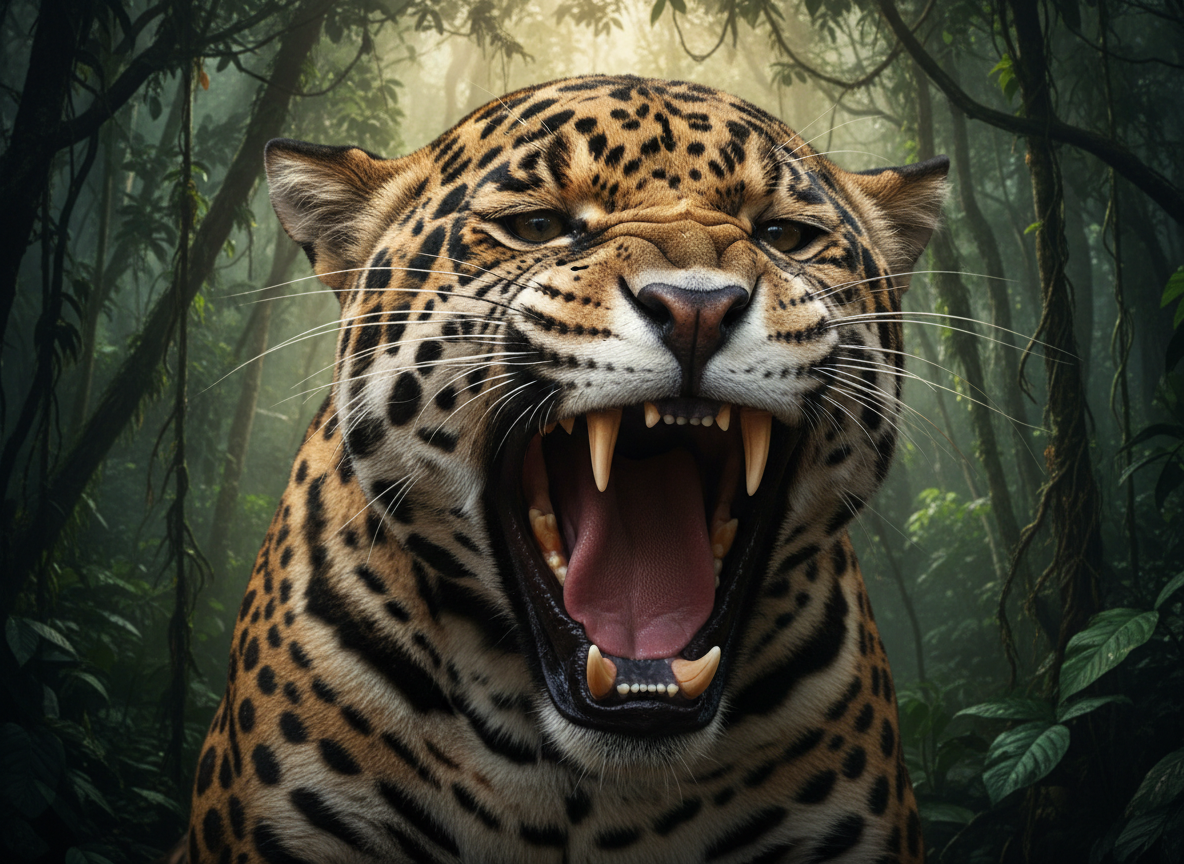

The technique is not brute force. It is anatomy. The stoat’s skull is narrow enough to fit between the vertebrae at the back of a rabbit’s skull, and the canine teeth are positioned to sever the spinal cord or brainstem in a single bite. The rabbit dies almost instantly. A stoat that has learned this technique can kill prey that would otherwise be physically impossible to subdue, and young stoats learn it through practice on smaller prey before graduating to rabbits.
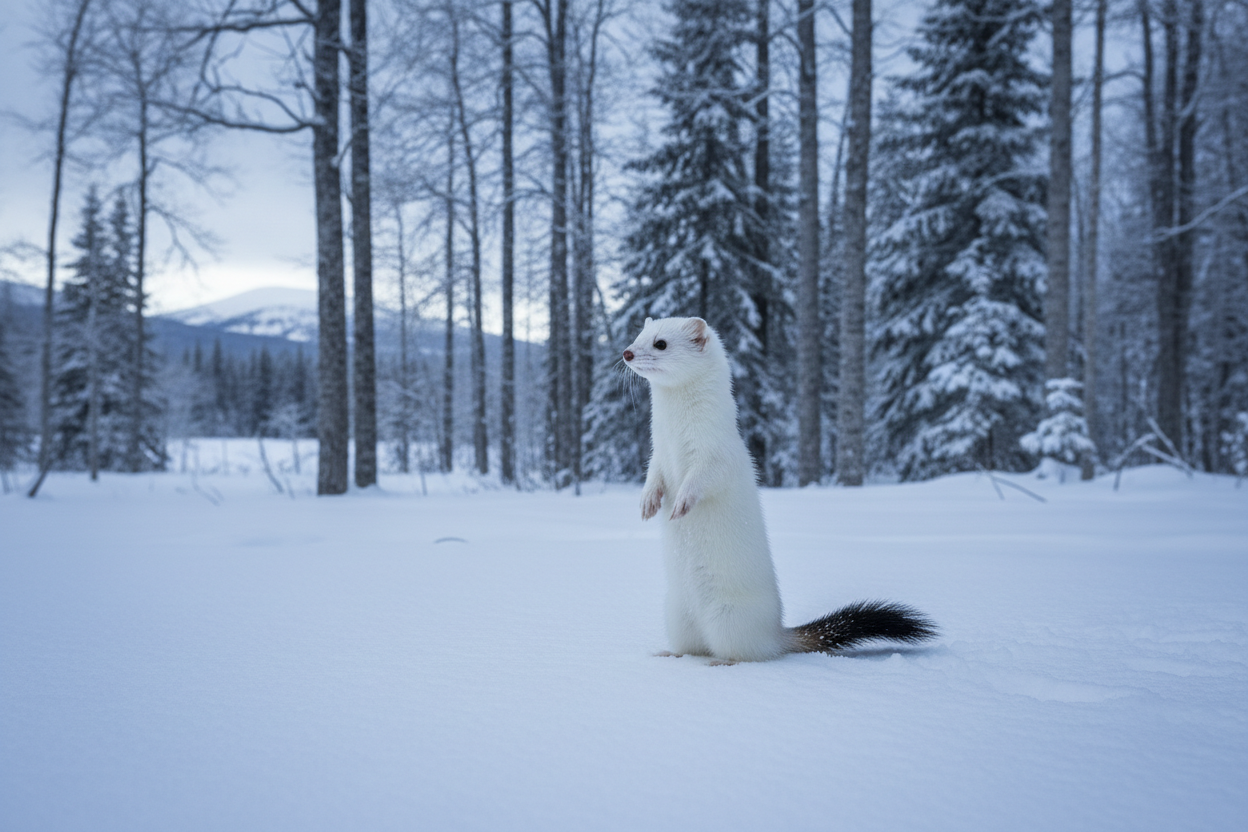

In northern parts of their range, stoats undergo a seasonal molt in autumn, replacing their brown summer coat with a white winter stoat ermine coat that provides camouflage in snow. The tip of the tail remains black year-round, a detail that has attracted evolutionary speculation. One hypothesis is that the black tail tip functions as a deflection target, drawing a predator’s strike away from the body. A hawk or owl targeting the most visible part of the stoat strikes the tail tip rather than the body, and the stoat survives. The evidence for this is circumstantial but the pattern is consistent enough to have been taken seriously.
The Hypnotic Dance and Stoat Ermine Hunting Strategy
Stoats — known as stoat ermine in their white winter form — have been observed performing what is described as a war dance in the presence of rabbits, a series of leaps, twists, and somersaults that appears to mesmerize the watching rabbits rather than causing them to flee. Rabbits that witness the dance often sit still and watch, apparently transfixed, until the stoat is close enough to strike. Whether the dance is a deliberate hunting strategy or a behavioral response to parasites that rabbits exploit as a distraction is debated, but the behavior is documented and the hunting success that follows it is real.
The New Zealand Problem

Stoats were introduced to New Zealand in the 1880s to control rabbit populations, in one of the more consequential ecological mistakes in conservation history. New Zealand’s native birds had evolved in the absence of mammalian predators and had no behavioral defenses against ground-level predators. Stoats devastated populations of kiwi, kakapo, kaka, and dozens of other native bird species, and they remain the primary threat to kiwi chick survival today, killing up to 95% of chicks in areas without predator control.
The stoat that is a native predator in Eurasia and North America, a functional part of ecosystems it evolved in, is an ecological catastrophe in New Zealand. The same animal, the same behavior, the same hunting technique, produces completely different outcomes depending on whether the ecosystem it is placed in has had millions of years to develop defenses against it — making the stoat one of the world’s most destructive invasive species.
Living in New Zealand, I certainly agree with your comments. A land mass where plant and insect-eating land animals have been the only land-based inhabitants 20 million years has absolutely no defences against predators that came in with settlers. Our conservation services are doing a fantastic job of eradicating these predators from specific areas to let native species return, but it is an ongoing battle.
Thanks for your comment😊
New Zealand’s isolation made its wildlife uniquely vulnerable. It’s inspiring to see conservation efforts making a difference, even if the battle never really ends..